
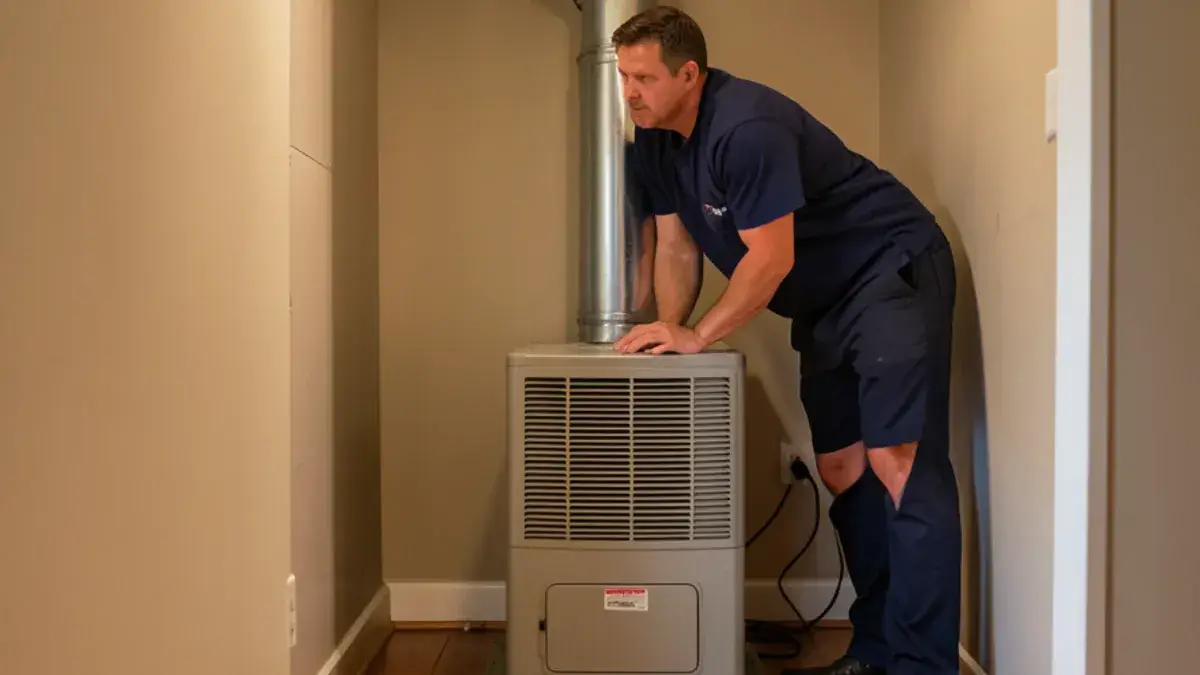
Prevention checklists
Fall Furnace Checklist Before the First Cold Night
This furnace maintenance checklist has one goal: find a problem on a mild October afternoon, not at midnight in a cold house. Start with the filter, the alarms and a test run, which you can do yourself. Leave the burners, gas pressure and heat exchanger to a technician, because those checks protect your family from carbon monoxide.
- CSLB C-20 #776028
- 4.8 from 16 Google reviews
- Shop in USA Business Park
- Open Mon to Sat, 9 to 5
By Proair Air Conditioning Services, CSLB C-20 License #776028. Published October 30, 2026. Updated October 30, 2026.
When should you run through this checklist?
Run it in early fall, once the air conditioner has quieted down. ENERGY STAR recommends checking the heating system in fall, and EPA advises having a trained professional inspect, clean and tune up central heating systems every year.
South Gate's mild winters make this easy to skip. A furnace can sit idle from spring through fall, so the first cold night is also its first real test in months. Dust, a weak igniter or a dead alarm battery all show up then.
Plan the technician half for September to early November. On many systems the furnace shares a filter with the AC, and cooling demand here runs into October, so expect that filter to be loaded when heating takes over.
Want your furnace checked before it gets cold? Call us.
Book a fall tune-up during business hours, Monday to Saturday, and ask for a clear, upfront quote.
- CSLB C-20 #776028
- 4.8 from 16 Google reviews
- Shop in USA Business Park
- Open Mon to Sat, 9 to 5
Furnace maintenance checklist: your half of the job
Everything here is safe with the cabinet panels closed. Turn the thermostat off before you change a filter or move anything near the unit.
- Replace the filter if it looks gray or clogged. A loaded filter makes a furnace run hot.
- Clear paint cans, cleaners, boxes and laundry away from the furnace.
- Open every supply register and move furniture off the floor vents and return grille.
- Press the test button on every carbon monoxide alarm and smoke alarm.
- Replace alarm batteries, and replace any alarm past its printed date.
- Fit fresh thermostat batteries if the display looks faint.
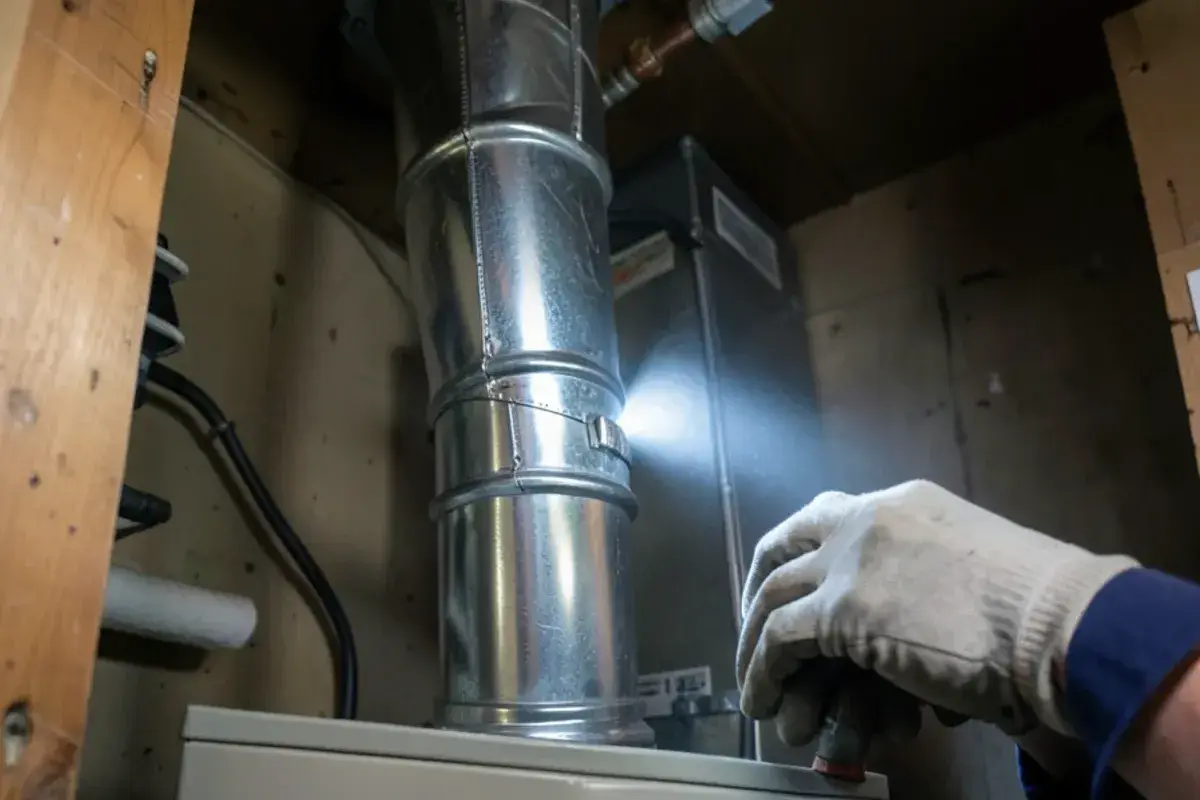
- Look at the vent pipe for rust, gaps or a sagging section, without touching it.
- From the ground, check the roof vent cap for a nest or a bend, and clear leaves from any plastic vent pipe on a side wall.
- Confirm the front panel sits snug. SoCalGas warns never to run a furnace with it out of place.
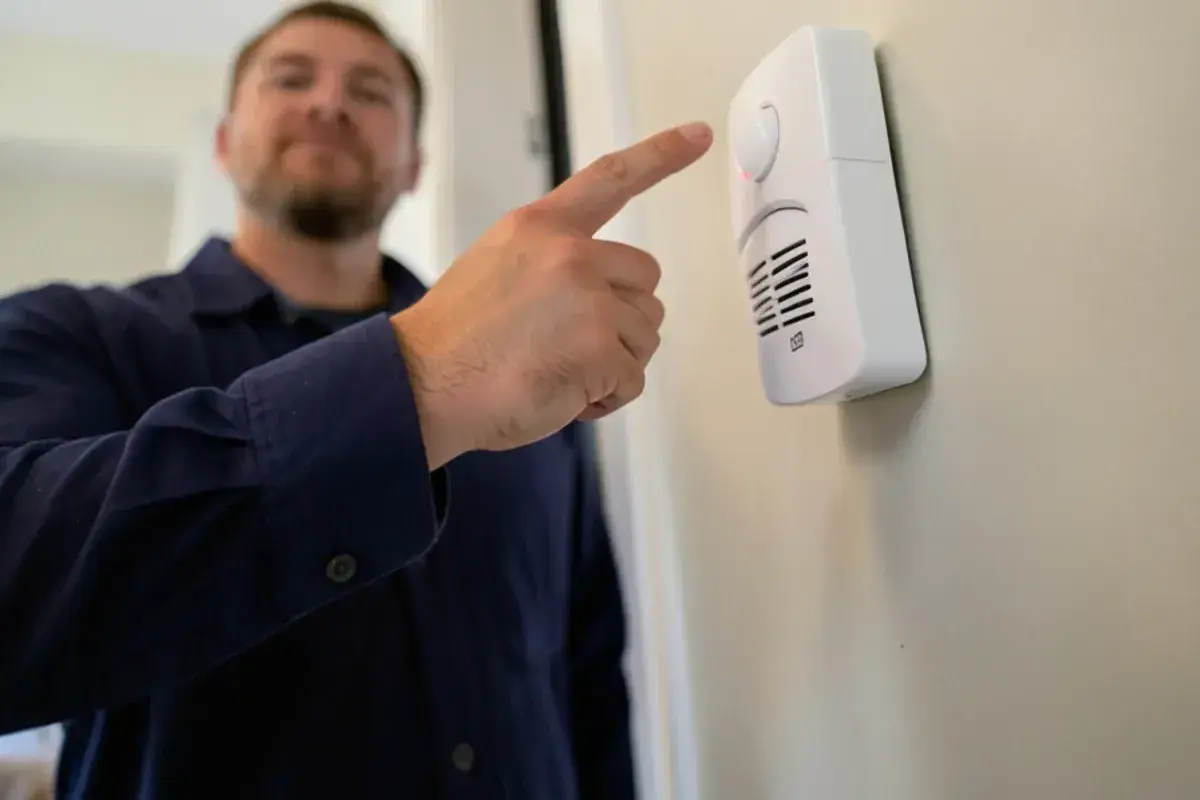
Carbon monoxide alarms are not optional
California requires carbon monoxide alarms in dwellings with fuel-burning appliances. The Consumer Product Safety Commission advises placing them on every level and outside sleeping areas, with battery power or battery backup.
If an alarm sounds, get everyone outside and call 911. Do not reset it and go back to bed.
One fall test is not enough. CPSC says to test alarms every month and replace batteries at least once a year, or fit alarms with sealed 10-year batteries.
How do you test the furnace before you need it?
Do a test run on a mild day, so a failure costs you nothing but a phone call.
Switch to heat
Set the thermostat to heat and raise it a few degrees above room temperature.
Watch the start
Most furnaces run a short sequence: the inducer starts, the igniter lights the burners, then the blower comes on.
Feel the air
Warm air should reach the registers within a few minutes. Cool air after that points to a furnace blowing cold air.
Notice the smell
A faint smell of burning dust on the first run is common and should fade quickly. Shut it off and call if it lingers or smells like gas.
Let it finish
The furnace should shut down cleanly when the thermostat is satisfied. Frequent starts and stops need a closer look.
What are the warning signs of carbon monoxide?
You cannot rely on your nose, so watch for the indirect signs. SoCalGas lists a yellow, large, unsteady burner flame, an unusual pungent odor while the appliance runs, and unexplained nausea, drowsiness or flu-like symptoms. EPA adds one more clue: symptoms that clear up after you leave home.
EPA names flues that are improperly sized, blocked or disconnected among the sources. If you suspect carbon monoxide, turn the appliance off if that is safe, get everyone out and call 911. Leave it off until SoCalGas or a licensed, qualified professional has checked it. Our guide to a gas smell near the furnace helps you tell the two apart.
What belongs to a technician?
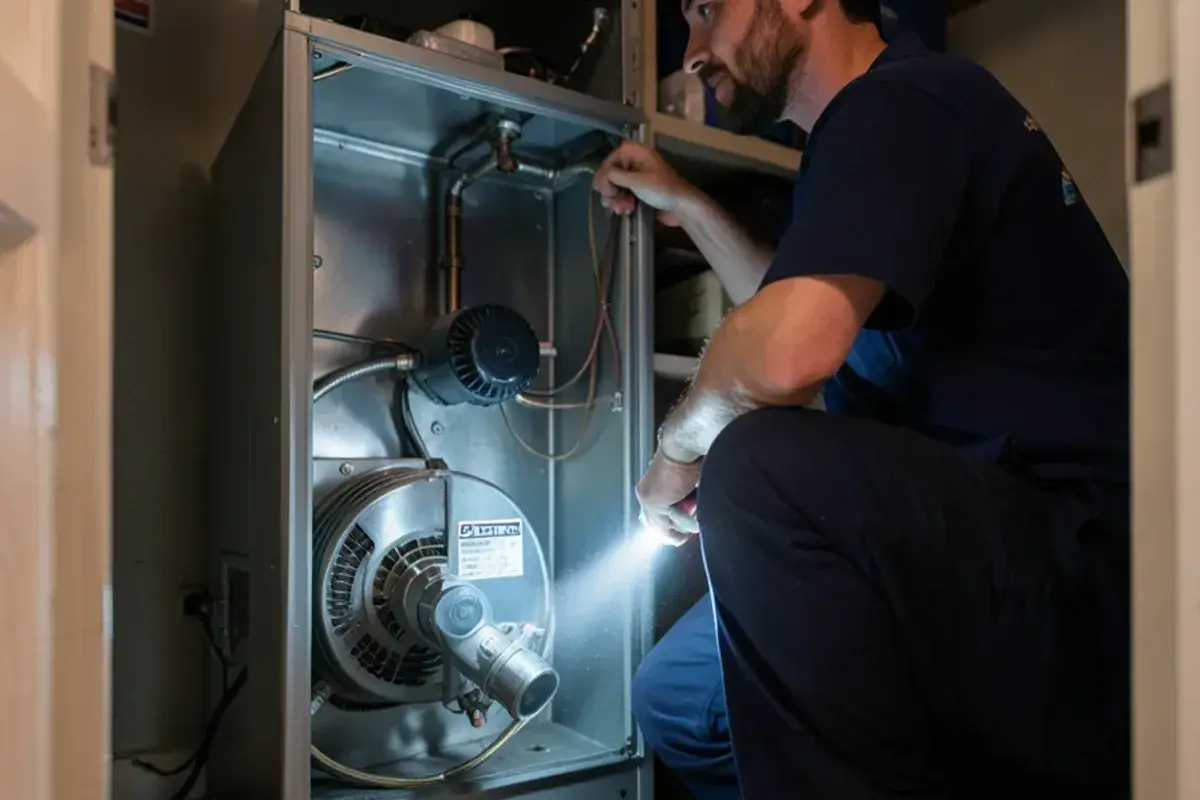
Do not open the burner compartment or adjust gas parts. A proper furnace tune-up covers the work below. ENERGY STAR names gas connections, gas pressure, burner combustion and the heat exchanger in its heating check-up.
- Inspect the heat exchanger for cracks, rust and soot.
- Check gas connections and gas pressure.
- Inspect and clean the burners, and check combustion.
- Test the igniter or pilot, and clean the flame sensor.
- Confirm the safety controls shut the furnace down as designed.
- Check the vent path and draft from the furnace to the outside.
- Snug the wiring connections and check the blower motor’s voltage and amp draw.
- Clean and adjust the blower, then check airflow and temperature rise.
- Test the thermostat and the full start, run and shutdown cycle.
Which results should you ask to see?
A good visit ends with results as well as a clean cabinet. Not every tune-up includes a combustion reading, so ask before you book.
| Result | Checked against | Why it matters |
|---|---|---|
| Temperature rise | The range on the furnace label | Too high can mean the furnace is short of air |
| Gas pressure | The furnace rating plate | Wrong pressure means a poor burn |
| Draft at the vent | A steady draw up the flue | Exhaust has to leave the house |
| Combustion reading | The maker’s limits | Shows how cleanly the burners run |
What about wall heaters and pilot lights?
Many older homes around South Gate and Huntington Park heat with a wall or floor unit instead of a central furnace. The same logic applies: clear the space, keep the grille free of dust and furniture, test the alarm, and have a wall heater checked before the season. Burners sit close to the living space, and NFPA says to keep anything that can burn at least three feet from heating equipment, so move curtains, bedding and furniture back.
In Huntington Park, 49.8% of homes heat with utility gas and 75.8% are rented (Census ACS), so the fall check often sits with an owner who does not live there.
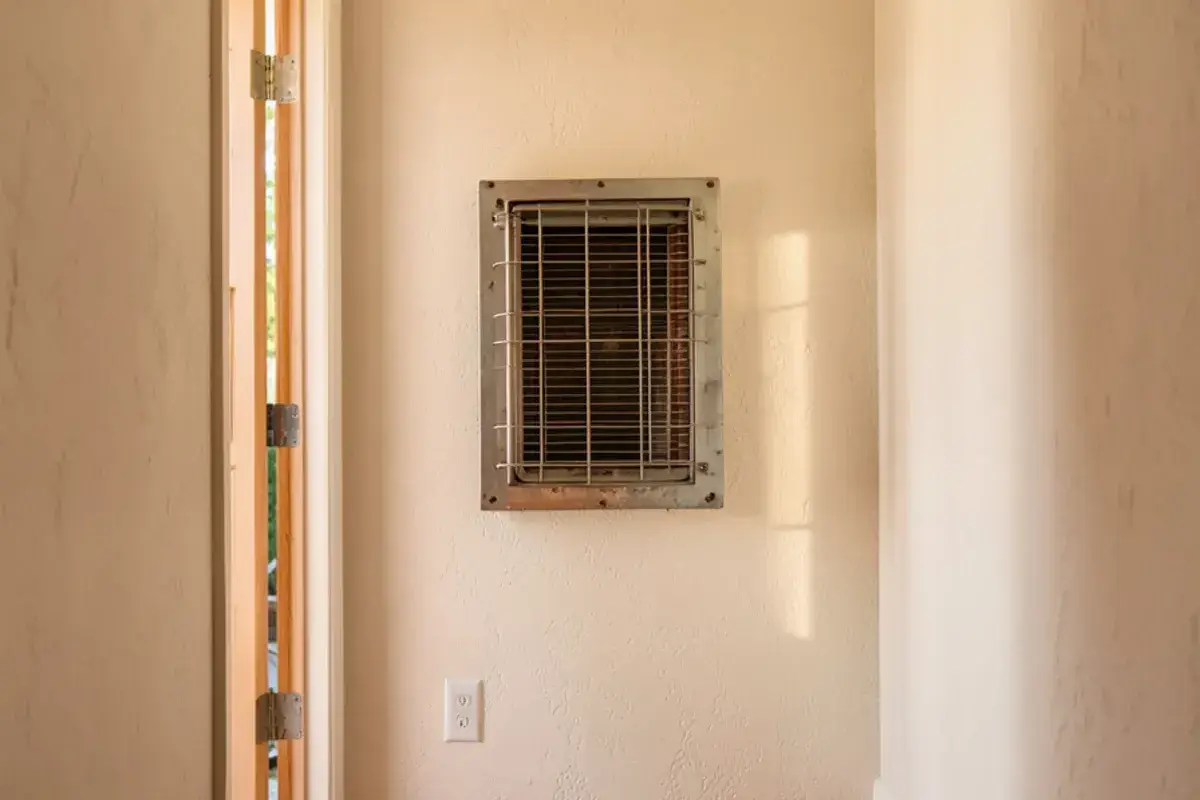
If your older unit has a standing pilot, do not force it. SoCalGas lists a no-cost pilot relight service on its website, and says a technician can perform a no-cost furnace safety check during that visit. Schedule early, since requests rise when the weather turns. Confirm current terms with SoCalGas.
What should you do if something fails?
Write down what you saw: any error light pattern, the sound, how long it ran. That note saves time on the visit. If a furnace repair looks large on an older unit, ask for repair and replacement prices side by side, and see our guide to safe steps when you have no heat at night for what to do in the meantime.
Renters should report a failed test to the landlord in writing. California Civil Code 1941.1 lists heating among habitability items, and the lease plus a tenant attorney or LA County tenant resources decide what happens next. This is general information, not legal advice.
If the answer turns out to be a new furnace
A replacement is a bigger job than a repair. South Gate requires a permit for mechanical work, and under the 2025 Energy Code a gas furnace counts as an air handler, so replacing one brings duct sealing and verification by an ECC-Rater (formerly called a HERS rater).
Timing can matter this year. The SoCalGas 2026 rebate application must be postmarked by December 31, 2026, subject to funding, so read the form before you commit. Our guide to furnace replacement cost in South Gate covers what moves the price.
Get the quiet checks done before the cold
The filter, the alarms and a test run take one afternoon, and they tell you whether the furnace starts and finishes cleanly. Call us before the first cold night. We will test the system, explain what we find in plain words and give you a clear, upfront quote before any work starts.
Sources
- ENERGY STAR: Maintenance checklist
- U.S. EPA: Carbon monoxide’s impact on indoor air quality
- U.S. Consumer Product Safety Commission: Carbon Monoxide Information Center
- SoCalGas: Pilot relight
- SoCalGas: Carbon monoxide
- SoCalGas: Natural gas appliance maintenance and safety
- U.S. CPSC: Keep warm and safe this winter (2026)
- NFPA: Heating safety tips
- California Health and Safety Code Section 17926
- California Energy Commission: 2025 Single-Family Compliance Manual, Chapter 9
- SoCalGas: 2026 Home Energy Efficiency Rebate application
Fall Furnace Checklist questions
Is it normal for a furnace to smell the first time you turn it on in fall?
A light burning-dust smell for a short time is common, because dust settles on the burners over the idle months. It should fade within a short run. A smell like rotten eggs is different: leave the house and call 911 or SoCalGas from outside. An electrical or hot-plastic smell also means shut the furnace down and call a technician.
How much of this checklist can a South Gate renter do?
Most of the homeowner half, as long as your lease allows it. Filters, clear registers and alarm tests are usually fair game, and the test run needs only the thermostat. Leave the furnace itself to the landlord and their contractor. If a filter sits in a locked closet or the alarm is missing, report it to the property manager in writing.
Is a yellow flame on a gas wall heater or furnace a problem?
Yes, treat it as a warning sign. SoCalGas lists a yellow, large, unsteady burner flame among the signs of carbon monoxide, decorative gas logs aside. Turn the heater off if that is safe, and have SoCalGas or a licensed, qualified professional check it before you use it again. A hallway wall heater in a South Gate home sits close to the bedrooms, so do not wait.
Who has to provide carbon monoxide alarms in a South Gate rental?
The owner does. California Health and Safety Code 17926 says the owner of a dwelling unit shall install an approved carbon monoxide device, and it reaches units with fuel-burning heaters or appliances, fireplaces or attached garages. With 54.7% of occupied South Gate homes rented, this comes up often. Report a missing or dead alarm in writing, and take legal questions to a tenant attorney.
Ready for a fall furnace check?
Call Proair for a clear, upfront quote. We are open Monday to Saturday, 9 to 5.
- CSLB C-20 #776028
- 4.8 from 16 Google reviews
- Shop in USA Business Park
- Open Mon to Sat, 9 to 5
Related services
Helpful reading
Areas we serve